Introduction
Feathers have been woven into human celebration for thousands of years, long before they became synonymous with Carnival parades or burlesque stages. Across continents, feathers have symbolised spirituality, authority, transformation, and community identity. Today, as global festivals become more interconnected, feather boas and fans are appearing in increasingly diverse cultural contexts — from indigenous ceremonies and heritage parades to contemporary arts festivals that honour tradition while embracing creativity.
Understanding feather in festivals culture requires moving beyond surface-level aesthetics. Feathers are not merely decorative; they often carry deep cultural meaning tied to ancestry, ritual, and respect for nature. When used thoughtfully, feather accessories can enhance storytelling, movement, and visual impact without erasing or trivialising their origins.
This article explores how feather boas and fans appear in cultural festivals worldwide beyond Carnival and burlesque. By examining African, Asian, Indigenous, Pacific, and South American traditions, as well as modern respectful adaptations, we highlight how feather fan festival use and boa cultural celebrations can be approached with cultural awareness. For designers, performers, and festival organisers, this global perspective offers practical guidance on how to incorporate feather accessories responsibly while celebrating their enduring beauty and symbolism.
The Universal Symbolism of Feathers in Festival Cultures
Across cultures, feathers consistently represent a bridge between the human world and the natural or spiritual realm. Birds, as creatures of the sky, have long been seen as messengers between earth and the heavens, which gives feathers a symbolic weight that extends far beyond ornamentation. This shared symbolism explains why feathers appear repeatedly in festivals, ceremonies, and communal celebrations worldwide.
Spiritual and Mythological Roots
In many traditions, feathers signify spiritual elevation, protection, or divine connection. Indigenous cultures in the Americas often associate specific bird feathers with particular virtues, such as courage, wisdom, or healing. In African spiritual systems, feathers can symbolise ancestral presence or divine authority, especially when incorporated into ceremonial fans or regalia used by elders and leaders.
These meanings influence how feathers are displayed during festivals. Rather than being worn casually, they are often introduced through dance, ritual gestures, or processions that communicate reverence. This context is essential when adapting feather accessories for modern festivals, as understanding symbolism helps prevent misuse.
Feathers as Status and Identity Markers
Feathers have also been used historically to signal rank, achievement, or social responsibility. In many societies, the right to wear certain feathers was earned rather than purchased, reinforcing their cultural value. Even in celebratory contexts, this sense of earned significance remains important and should inform contemporary interpretations of feather boas and fans.
From Sacred to Celebratory
While some feather uses remain sacred, others have transitioned into broader cultural celebrations. Festivals provide a space where tradition meets performance, allowing feathers to be showcased publicly while still retaining symbolic meaning. This evolution sets the foundation for respectful adaptation in modern festival environments.
Indigenous North American Festivals & Ceremonies
Indigenous communities across North America continue to use feathers as central elements in cultural festivals, particularly in powwows and ceremonial gatherings. These events are living expressions of heritage, where regalia, movement, and music are deeply interconnected.
Powwows and Feather Fans
Feather fans are commonly used in powwows, not as decorative props but as meaningful ceremonial items. They are often carried during dances or honour songs, symbolising respect, prayer, and connection to ancestors. The motion of a feather fan during dance is deliberate, reinforcing rhythm and storytelling rather than visual spectacle alone.
From a modern festival perspective, this highlights an important lesson: feather fan festival use should prioritise intention and meaning, not just appearance. Observing how Indigenous dancers integrate feathers through movement offers inspiration for contemporary performers seeking authenticity.
Warbonnets and Feather Headdresses
Warbonnets are among the most misunderstood feather items. Traditionally, each feather represents an act of honour or service, making warbonnets highly significant and culturally restricted. They are not generic festival accessories and should not be replicated or worn outside their proper context.
Understanding these distinctions is critical for anyone working with feather accessories. Respectful adaptation means drawing inspiration from techniques or materials, not directly copying sacred items.
Cultural Protocols and Respectful Engagement
Many Indigenous communities emphasise education as a pathway to respect. Festivals that invite Indigenous participation often include cultural briefings, storytelling, or guided performances. For modern festival planners, incorporating educational elements alongside feather displays helps honour origins while fostering cross-cultural understanding.
African Feather Fans & Ceremonial Uses
Across Africa, feather fans hold a prominent place in ceremonial and festive life. Unlike feather boas, which are typically worn, African feather fans are often carried, waved, or presented as symbols of authority, dignity, and spiritual power.
Status & Symbolism Across African Cultures
In various African societies, feather fans are associated with leadership and respect. Chiefs, healers, or elders may use them during rituals, community gatherings, or festivals. The feathers chosen, their colours, and their arrangement often carry specific meanings linked to lineage or spiritual beliefs.
This tradition underscores how feather accessories can communicate hierarchy and identity without elaborate costume changes, relying instead on symbolism and movement.
Craftsmanship and Cultural Meaning
African feather fans are usually handcrafted, combining feathers with leather, wood, or beadwork. The craftsmanship itself is part of the cultural expression, passed down through generations. Festivals provide an opportunity to showcase this artistry while reinforcing communal values.
For modern designers, this highlights the importance of craftsmanship over mass production when adapting feather accessories for cultural events.
Beyond Ritual: Modern Festival Use
In contemporary African heritage festivals and diaspora celebrations, feather fans sometimes appear in performances that blend tradition with modern choreography. These adaptations succeed when they respect original meanings and involve cultural custodians in the creative process.
Feather Festivals & Ceremonies in Oceania and the Pacific
The Pacific region is renowned for its sophisticated featherwork traditions, many of which remain integral to festivals and ceremonial events today. Feathers in this context often represent lineage, mana (spiritual power), and connection to the land.
Hawaiian Feather Symbols
In Hawaiian culture, featherwork historically signified chiefly status. While some items remain sacred, festivals celebrating Hawaiian heritage may include feather-inspired adornments that honour traditional aesthetics without replicating restricted regalia. Movement, colour, and form become expressions of cultural pride.
Maori Cloaks and Ceremonial Prestige
Maori feather cloaks are powerful symbols of identity and respect. During cultural festivals, these cloaks are worn in formal contexts, reinforcing their significance. Their presence reminds audiences that feathers are not interchangeable accessories but culturally anchored items.
Featherwork Today: Preservation & Cultural Festivals
Pacific festivals often include workshops, exhibitions, and performances that educate attendees about featherwork traditions. This educational approach provides a model for how feather boas and fans can be incorporated into modern festivals with transparency and respect.
Asian Contexts: Feather Accessories in Traditional Celebrations
While feathers are less prominent in some Asian festival traditions, they still play meaningful roles in specific cultural contexts, particularly in performance and indigenous celebrations.
Feathers in Chinese Festival Props
In Chinese opera and festival performances, feathers sometimes appear in fans or headpieces used to enhance movement and symbolism. Rather than representing status, feathers here often emphasise grace, rhythm, and visual storytelling.
Philippine Feather Craft in Celebrations
Indigenous communities in the Philippines incorporate feathers into ceremonial attire and festival performances. These designs often reflect local ecology and ancestral narratives, reminding modern audiences that feather use is deeply tied to place.
Regional Traditions & Emerging Festival Styles
Across Asia, contemporary festivals increasingly blend traditional elements with modern fashion. When feathers are introduced, successful adaptations focus on abstraction rather than imitation, respecting cultural origins while allowing creative expression.
South American Indigenous Featherwork Beyond Carnival
South America’s feather traditions extend far beyond Carnival. Indigenous communities have long used feathers as primary artistic and ceremonial materials, particularly in the Amazon and Andean regions.
Pre-Colonial Featherwork Traditions
Before European contact, featherwork in South America was considered a high art form. Feather garments and ornaments conveyed cosmological beliefs and social structures, often reserved for rituals and leadership roles.
Feathers in Andean & Amazonian Rituals
Festivals rooted in Indigenous calendars still feature feathered attire, often accompanied by dance and music that reinforce communal memory. These practices demonstrate how feathers function as living cultural symbols rather than static decorations.
Festivals Rooted in Indigenous Histories
In regions where Indigenous festivals are open to wider audiences, feathers are presented with contextual explanation. This approach helps prevent misinterpretation and encourages respectful appreciation.
Modern Interpretations: Respectful Integration at Global Festivals
As festivals become increasingly global, feather accessories are being reimagined in contemporary contexts that prioritise respect and collaboration.
Global Festival Style Today
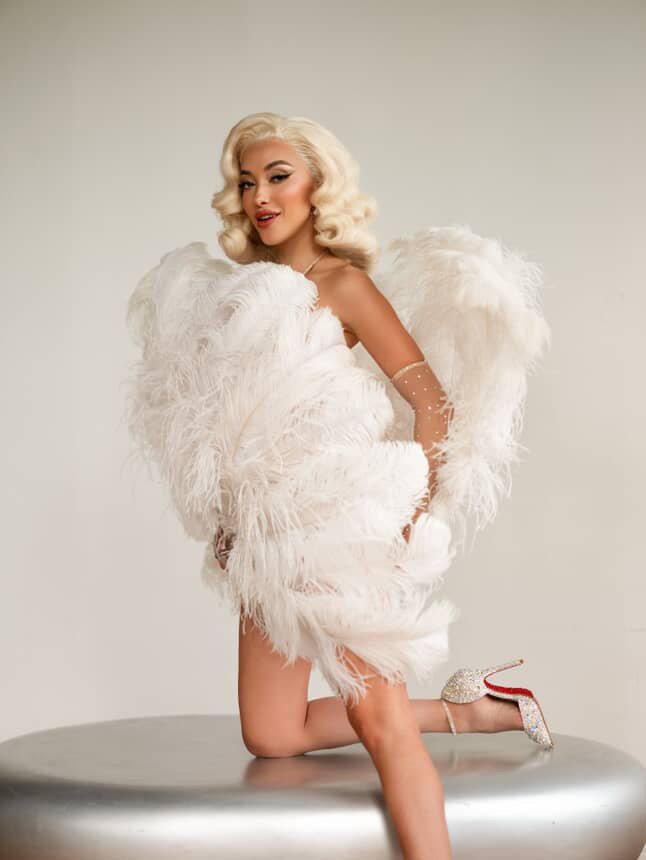
Modern arts and cultural festivals often use feather boas and fans to evoke movement and drama rather than specific cultural references. Abstract designs and neutral symbolism help avoid cultural misrepresentation.
Cultural Exchange vs Cultural Appropriation
The difference between exchange and appropriation lies in intention, education, and collaboration. Engaging cultural consultants or artisans ensures that feather in festivals culture is celebrated rather than exploited.
Ethical Sourcing & Storytelling in Festival Wear
Ethically sourced feathers or high-quality alternatives allow designers to tell meaningful stories without harming wildlife or communities. Transparency in sourcing strengthens audience trust and cultural credibility.
Designing Feather Boas & Fans with Cultural Sensitivity
Creating feather accessories for festivals requires thoughtful design choices grounded in research and respect.
Understanding Cultural Significance
Before incorporating feathers, designers should study their cultural meanings and restrictions. This knowledge informs design decisions and prevents unintended offence.
Collaborative Design Processes
Working with cultural practitioners or historians allows for authentic inspiration. Collaboration transforms feather fan festival use into a shared creative process rather than a one-sided appropriation.
Examples: Respectful Adaptations in Festival Fashion
Abstract feather fans, modern silhouettes, and neutral palettes are effective ways to honour tradition without copying sacred items. These approaches align well with contemporary festival aesthetics.
Workshop Spotlight: Feather Craftsmanship & Community Knowledge
Workshops play a vital role in preserving feather traditions and educating festival audiences.
Learning the Craft
Hands-on workshops demystify featherwork techniques while emphasising cultural context. Participants gain appreciation for the skill and symbolism involved.
Cultural Transmission and Festivals
Festivals that include educational programming alongside performances foster deeper engagement. Feather accessories become conversation starters rather than mere costumes.
Supporting Cultural Heritage Economically
By valuing artisan work and cultural education, festivals contribute to sustainable cultural preservation rather than extractive consumption.
Eco-Conscious Feather Fashion: Sustainable Festival Accessories
Sustainability is increasingly central to festival fashion, including feather accessories.
Ethical Feather Sourcing
Responsible sourcing prioritises naturally molted feathers or regulated by-products. This approach aligns environmental responsibility with cultural respect.
Sustainable Alternative Materials
High-quality alternatives can replicate movement and texture without ethical concerns. These materials are particularly suitable for large-scale festivals.
Brand Opportunities in Cultural Respect & Conservation
Platforms like https://fancyfeather.com/ demonstrate how feather accessories can balance beauty, ethics, and cultural awareness, setting standards for responsible festival fashion.
Conclusion
Feather boas and fans are far more than decorative festival items. Across cultures, they carry stories of spirituality, identity, and community that deserve recognition and respect. By exploring feather in festivals culture beyond Carnival and burlesque, we uncover a rich tapestry of global traditions that continue to evolve.
Modern festivals offer an opportunity to celebrate these traditions thoughtfully. When designers, performers, and organisers prioritise education, ethical sourcing, and cultural collaboration, feather fan festival use and boa cultural celebrations become powerful tools for connection rather than controversy.
As global audiences seek deeper meaning in cultural expression, respectful feather accessories can bridge past and present, tradition and innovation. With informed choices and conscious creativity, feathers will continue to inspire festivals worldwide while honouring the cultures that have cherished them for generations.


Share:
Feather Sustainability and 2026 Trend Forecast: What’s Next for Boas and Fans in Fashion
Feather Accessory Photography Tips: How to Capture Texture, Movement and Color Like a Pro