Imagine a material that sways with every step, catches the light with a soft whisper, and instantly injects a space or an outfit with a dose of pure, unadulterated glamour. This is the magic of feather fringe. While the classic boa holds a special place in our collective imagination, it’s merely the tip of the plumage iceberg. Today, we're diving deep into the world of feather fringe trim, moving beyond costume shop novelty to explore its sophisticated applications as a powerful design element. Whether you're looking to add a flirtatious flourish to a hemline or transform your living room into a bohemian oasis, this guide will equip you with the knowledge and inspiration to use feather trim with confidence and creativity. We will cover everything from selecting the right feather type to mastering the sewing techniques, proving that this timeless texture deserves a spot in every modern maker’s toolkit.
A Touch of Texture: Why Feather Fringe Captivates
What is it about feathers that so thoroughly captivates the human eye? The answer lies in their unique ability to engage multiple senses at once. Visually, they create volume and softness, breaking up hard lines with their organic, irregular shapes. Tactilely, they invite touch, from the cloud-like wisp of marabou to the sleek cascade of ostrich plumes. But perhaps their most dynamic quality is movement. Feather fringe is never static; it dances and sways with the wearer’s gait or a room’s air currents, bringing a vibrant, living energy to whatever it adorns.
Historically, feather fringe has been a shorthand for luxury and drama. The flappers of the 1920s used it to defy convention, their fringed dresses a symbol of liberation. Hollywood starlets of the 1930s and 40s draped themselves in marabou-trimmed robes, cementing its association with old-world glamour. This legacy isn’t just historical; it’s psychological. Incorporating feathers taps into a deep-seated sense of playfulness, freedom, and opulence, allowing us to inject a little bit of that fantasy into our everyday lives.
From Ostrich to Marabou: A Guide to Feather Types & Their Personalities
Not all feather fringes are created equal. Understanding the distinct personalities of different feather types is the first step to choosing the perfect trim for your project. Each variety offers a different texture, volume, and movement, making them suited for specific applications.
Ostrich Feather Fringe is the epitome of luxury. Characterized by long, continuous, and full plumes, it creates a dense, flowing effect with incredible movement. The individual strands of the plume are soft yet substantial, making it ideal for dramatic, sweeping applications. Think the hem of a maxi skirt, a statement curtain, or the trim on an elegant cape. It’s a commitment to high drama.
Marabou Feather Fringe is the softest and most delicate option. Its wispy, fluffy strands are incredibly lightweight and have an almost ethereal quality. Unlike the structured plume of ostrich, marabou is a cloud of softness. This makes it perfect for applications where a gentle, romantic touch is desired. It’s a classic for lingerie, bedroom accessories like pillows and lampshades, and the delicate hem of a blouse or a child’s costume.
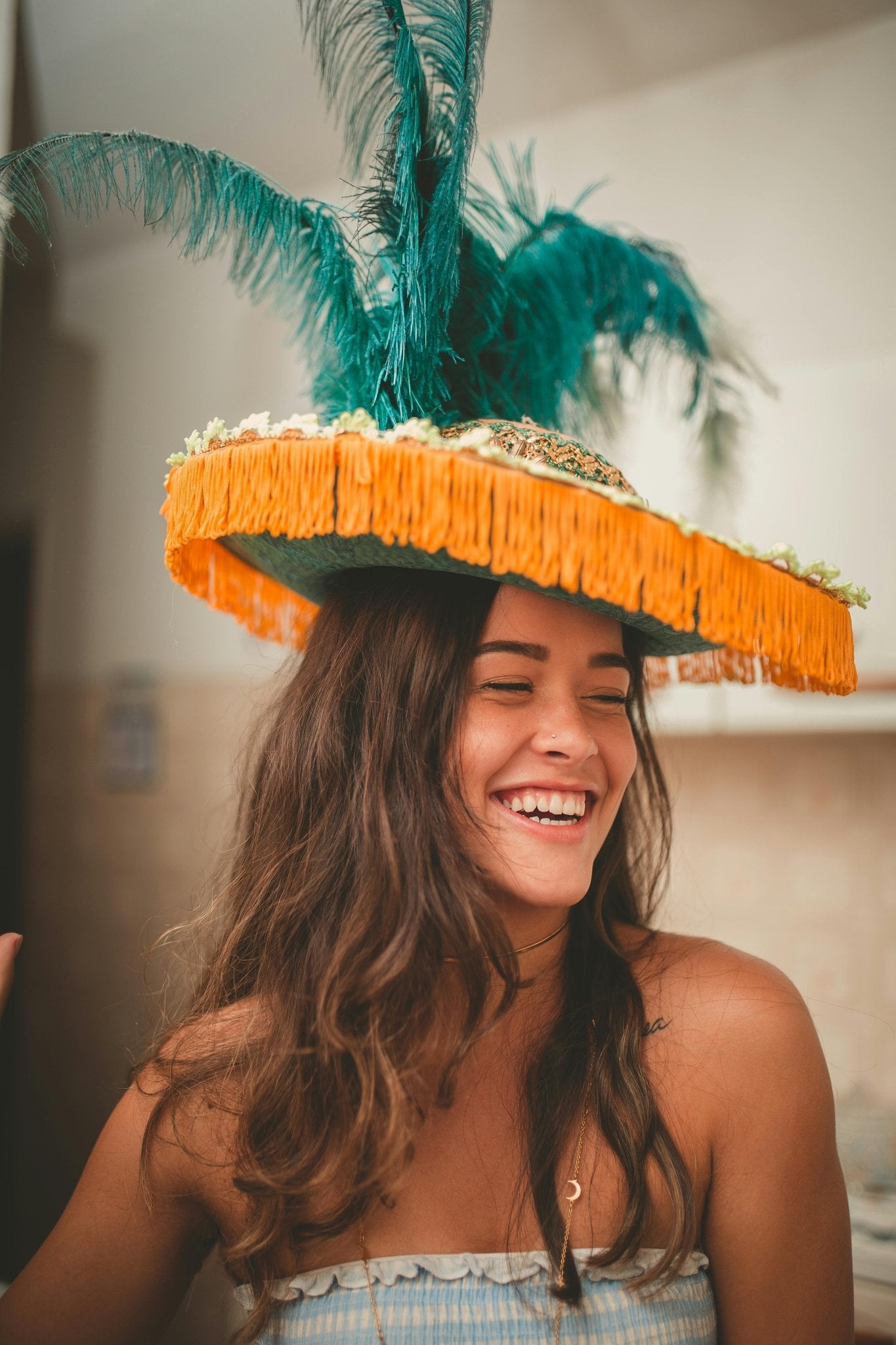
Rooster/Coque Feather Fringe is all about bold structure and vibrant color. Sourced from the neck plumage of roosters, these feathers are stiffer and hold a distinct, curved shape. They are often naturally iridescent or dyed in bright, eye-catching hues. This fringe doesn’t flow; it makes a statement. It’s the go-to choice for Mardi Gras costumes, masks, carnival headdresses, and adding a bold, textural accent to jackets or bags.
Turkey Feather Fringe is a fantastic and often more affordable alternative to ostrich. It shares a similar appearance—long, slender feathers with a soft plume—but is typically less dense. This makes it excellent for larger projects where cost is a factor, such as creating a full feather fringe curtain for a festival booth or adding boho flair to a home decor item without breaking the bank.
Selecting the Perfect Feather Fringe: A Buyer’s Checklist
Before you click "add to cart," it’s crucial to consider a few key factors to ensure your project is a success. A little forethought will guarantee you get the right trim for the job.
First, consider the project’s purpose. Is this for a garment that will see a lot of wear and movement, like a jacket hem? In that case, a sturdier ostrich or turkey fringe is a better choice than delicate marabou. Is it for a decorative throw pillow? Then marabou’s softness is perfect. For outdoor or high-energy events, the resilience of rooster feathers might be ideal.
Next, inspect for quality. Look for fringes with full, intact plumes and minimal broken shafts. The feathers should be securely attached to the backing tape. Gently run your hand along the trim to see if excessive shedding occurs—a few loose strands are normal, but a cloud of them is a red flag. Check for consistency in color and density, especially if you’re ordering multiple yards.
Finally, mind the details of length and color. Feather fringe is sold by the length of the feather itself, which can range from a subtle 2 inches to a dramatic 24 inches. Consider the scale of your item; a short trim can be a delicate accent, while a long trim is a major statement. Also, be aware that vividly dyed feathers can sometimes bleed, so if washability is a concern, spot-test a small section first or opt for natural hues.
Hemlines & High Fashion: Incorporating Feather Fringe into Your Wardrobe
Let’s move into the realm of fashion, where feather fringe can transform the ordinary into the extraordinary. The key is to think of it as a textural accent, not a costume piece.
The Statement Hem
One of the most impactful ways to use feather trim is on a hemline. Imagine a simple black maxi skirt or a pair of wide-leg trousers. Now, imagine the bottom edge trimmed with a lush, black ostrich fringe. With every step, the feathers sway, creating a mesmerizing, fluid motion. This isn’t just a trend; it’s a runway staple. Designers like Gucci and Valentino have consistently featured feathered hems in their collections, proving its enduring high-fashion appeal. The effect is simultaneously elegant and rebellious.
Neckline & Sleeve Accents
For a subtler approach, focus on the details. A delicate band of white marabou sewn onto the cuff of a simple cashmere sweater adds a touch of unexpected luxury and coziness. Similarly, a trim of ostrich feathers around the neckline of a leather jacket creates a stunning juxtaposition of tough and soft. These accents draw the eye and elevate a basic garment into a designer-looking piece.
Accessories with Flair
Don’t neglect your accessories. A simple clutch bag can be utterly transformed by gluing or sewing a strip of feather fringe along its top edge. Wrap a thin trim around a headband for a festival-ready look, or add a pop of texture to the ankle straps of a pair of plain heels. The golden rule when styling feathered fashion is to let the trim be the star. Pair it with solid, neutral-colored garments in simple silhouettes to ensure the feathers remain the focal point.
Stitching Glamour: Practical Techniques for Attaching Feather Trim
The thought of sewing with feathers can be intimidating, but with the right techniques, it’s a manageable and rewarding process. The goal is always to securely attach the trim’s tape base without damaging the delicate feathers themselves.
Hand-Sewing for Precision and Control
For most projects, hand-sewing offers the greatest control. You will need a sturdy, sharp needle (like a sharps needle) that can pierce the dense woven tape of the fringe. Pair it with strong thread; all-purpose thread can snap under tension, so consider upholstery or button thread for heavier trims. The ideal stitch is a backstitch, which is strong and durable. Carefully pin the trim in place, and as you sew, work the needle through only the tape backing, being vigilant not to catch the feather quills in your stitches.
Machine Sewing for Speed and Consistency
For long, straight applications—like a curtain or a skirt hem—a sewing machine can be a huge time-saver. The key tool here is a zipper foot. This attachment allows you to sew a straight line very close to the base of the feathers without the standard presser foot crushing them. Use a longer stitch length (3.0-3.5 mm) and go slowly. It’s crucial to frequently check the underside of your fabric to ensure loose feather strands aren’t getting tangled in the bobbin mechanism.
Fabric Glue as a Viable Alternative
If the thought of a needle and thread is a deal-breaker, a high-strength fabric glue can be a reliable alternative for items that won’t be washed or subjected to heavy stress. Products like E6000 or Beacon's Fabri-Tac create a strong, flexible bond. Apply a thin, even bead to the trim’s tape, press it firmly onto your fabric, and allow it to cure fully according to the package directions. Work in a well-ventilated area, and be aware that the bond may add a slight stiffness.
Regardless of your method, always pre-pin the entire length of the trim and do a test run on a scrap piece of your project fabric to perfect your technique before committing.
Fabric Harmony: What Materials Work Best with Feathers?
Feather fringe, while beautiful, has weight and texture. Pairing it with the right fabric is essential for a professional, long-lasting finish. The ideal partners are stable, durable fabrics that can support the trim without puckering or stretching.
Excellent choices include:
-
Denim: The ruggedness of denim provides a perfect counterbalance to the softness of feathers, creating a cool, modern contrast.
-
Wool Coating & Felt: These dense, structured fabrics offer a solid foundation for heavy fringe, making them ideal for coats and structured jackets.
-
Velvet: The combination of velvet and feathers is a match made in luxury heaven. Both are tactile and rich, creating a sumptuous, decadent effect.
-
Satin & Heavy Silks: The smooth, sleek surface of satin allows the texture of the feathers to truly pop without competition.
-
Faux Leather/Pleather: Like denim, the edgy feel of faux leather juxtaposed with soft feathers creates a high-fashion, rock-and-roll vibe.
On the other hand, some fabrics present a challenge. Thin, slippery materials like chiffon or georgette can easily pucker under the weight of the trim or be damaged by the sewing process. Very loose knits can stretch and distort once the heavy fringe is attached. For interior decor, stable fabrics like linen, canvas, and mid-weight cotton are your best bets for pillows and upholstery accents.
Dreamy Decor: Bringing Feather Fringe into Your Home
The transformative power of feather fringe isn’t confined to the wardrobe. In interior design, it’s a secret weapon for adding texture, romance, and a touch of bohemian whimsy. This aligns perfectly with the rising trend of "textural maximalism," a design philosophy celebrated by publications like Architectural Digest which emphasizes layering rich, tactile elements to create depth and comfort.
The Feather Fringe Curtain
For a truly show-stopping statement, consider a feather fringe curtain. Long strands of ostrich or turkey fringe, hung from a rod or a canopy, can function as a breathtaking room divider, a dramatic window treatment, or a luxurious backdrop for a bed or vanity. The way light filters through the feathers creates a soft, dappled effect, and the gentle movement adds a dynamic, almost living element to the room. It’s an instant conversation starter that evokes the glamour of a vintage Hollywood dressing room.
Luxurious Soft Furnishings
The easiest entry point into feathered decor is with soft furnishings. Take a simple velvet or linen throw pillow and add a trim of marabou or ostrich fringe around the edges. A marabou-trimmed pillow feels like a soft cloud, adding instant cozy factor to a bed or reading nook. Similarly, a plain lampshade can be utterly transformed. By gluing or sewing a fringe to the top and/or bottom edge, you create a stunning accessory that casts intricate, soft shadows across the room when lit.
Accent Pieces & Headboards
Look for other opportunities to introduce this luxurious texture. Frame a plain mirror with a layer of feather fringe for a decadent vanity setup. Add a strip to the edge of a bookshelf or mantel. For a truly grand project, outline a fabric-upholstered headboard with feather trim. This creates a soft, inviting frame for your bed, elevating the entire room’s design and providing a constant touch of softness and luxury.
A Tale of Two Textures: Blending Feathers with Other Trims
Why stop at one texture? For a truly custom and designer-level look, consider blending feather fringe with other types of trim. This layering technique adds incredible depth and visual interest, allowing you to create a unique aesthetic.
-
Feathers and Pom-Poms: Layer a feather fringe over a colorful pom-pom trim. The combination of soft, flowing feathers and structured, playful pom-poms creates a fun, boho-chic feel, perfect for a child’s room or a festival outfit.
-
Feathers and Beads: Pair an ostrich fringe with a strand of wooden bead trim. The organic nature of both materials works in harmony, but the contrast between the soft feathers and the hard, smooth beads creates a sophisticated, earthy look.
-
Feathers and Ribbon: Sew a flat, satin ribbon or a decorative braid directly over the tape of the feather fringe. This not only adds a secure second attachment point but also creates a clean, defined border that makes the feathers appear even more intentional and polished.
The principle here is contrast. Mixing different textures—soft and hard, flowing and structured—results in a more complex and visually arresting design.
The Care & Keeping of Feathers: Making Your Fringe Last
To ensure your feathered creations remain beautiful for years to come, proper care is essential. Feathers are natural materials and require a gentle touch.
Cleaning and Maintenance
The number one rule for cleaning feathered items is to avoid the washing machine. Agitation will destroy the feathers and cause massive shedding.
-
Spot Cleaning: This is your primary method. Use a lightly dampened cloth with a small amount of mild soap (like Dr. Bronner’s or a dedicated fabric cleaner) to gently dab at any stains. Avoid rubbing.
-
Fluffing and Dusting: To revive crushed or dusty feathers, use a hairdryer on its coolest setting. Gently blow the feathers in the direction they naturally lie. This will fluff them up and remove accumulated dust.
-
Professional Cleaning: For valuable, large, or heavily soiled items like a feathered coat or curtain, seek out a reputable dry cleaner. Always inform them about the feather trim so they can use appropriate methods.
Storage
How you store your items is just as important as how you clean them.
-
Never Compress: Avoid stuffing feathered garments into crowded closets or crushing them under other items. This will break the feathers and ruin their shape.
-
Breathe: Use breathable garment bags for clothing and allow space for the feathers to sit naturally.
-
Pest Prevention: Store in a cool, dry place. Consider using natural moth deterrents like cedar blocks or lavender sachets to protect your investment.
Beyond the Basics: Creative & Unexpected Uses for Feather Trim
Once you start looking, you’ll see opportunities for feather fringe everywhere. Here are a few creative ideas to spark your imagination.
Gift Wrapping with Panache
Forget basic ribbon. Use a strip of feather trim as a luxurious, reusable gift wrap accent. Simply tie it around a wrapped box as you would a bow. The recipient will be delighted by the extravagant touch, and they can reuse the trim on their own projects.
Photo Booth Backdrop
Create an Instagram-worthy backdrop for your next party or even a dedicated vanity corner in your home. Suspend multiple strands of long feather fringe from a curtain rod or a simple wooden dowel. The result is a lush, textural wall that provides a stunning, professional-looking background for photos.
Holiday & Festival Decor
Incorporate feather trim into your seasonal decorations. A trim of white marabou along a Christmas tree skirt evokes a fresh-fallen snow effect. Use bold, colorful rooster feathers to create a vibrant Mardi Gras table runner or to adorn a harvest-themed centerpiece for a touch of boho flair.
Pet Accents (With Caution)
For a photoshoot or a special occasion, you can add a small, securely attached strip of feather trim to your pet’s collar. This must be done with extreme caution and constant supervision. Ensure the trim is very short so it doesn't become a chewing hazard, and never leave a pet unattended with any attached accessory.
Conclusion: Embrace the Extraordinary
Feather fringe is far more than a relic of the past or a costume piece. It is a dynamic, tactile, and profoundly glamorous design element that holds the power to transform both our wardrobes and our homes. From the dramatic sweep of an ostrich-trimmed hem to the cozy whisper of a marabou-accented pillow, its applications are limited only by your creativity. We’ve journeyed from selecting the right feather type to mastering attachment techniques and exploring boundless creative possibilities. The initial intimidation often associated with this material melts away once you understand its simple secrets. So, start small, experiment boldly, and embrace the texture, movement, and pure joy that feather fringe brings. It’s time to weave a little extraordinary into the fabric of your everyday life.
Share:
More Than Fluff: The Ultimate Guide to Feather Boas for Costumes & Cosplay
Feather Boas and Fans for Travel and Events: Your Guide to Packing, Transport & On-site Care