Introduction
In an era where attention is currency, performers, dancers, and content creators are no longer competing only on talent. They are competing on recognisability. Scroll-driven platforms reward creators who can be identified in a fraction of a second, and this is where visual branding becomes decisive. A strong visual identity allows an audience to recognise you before they read your name, listen to your music, or watch an entire performance.
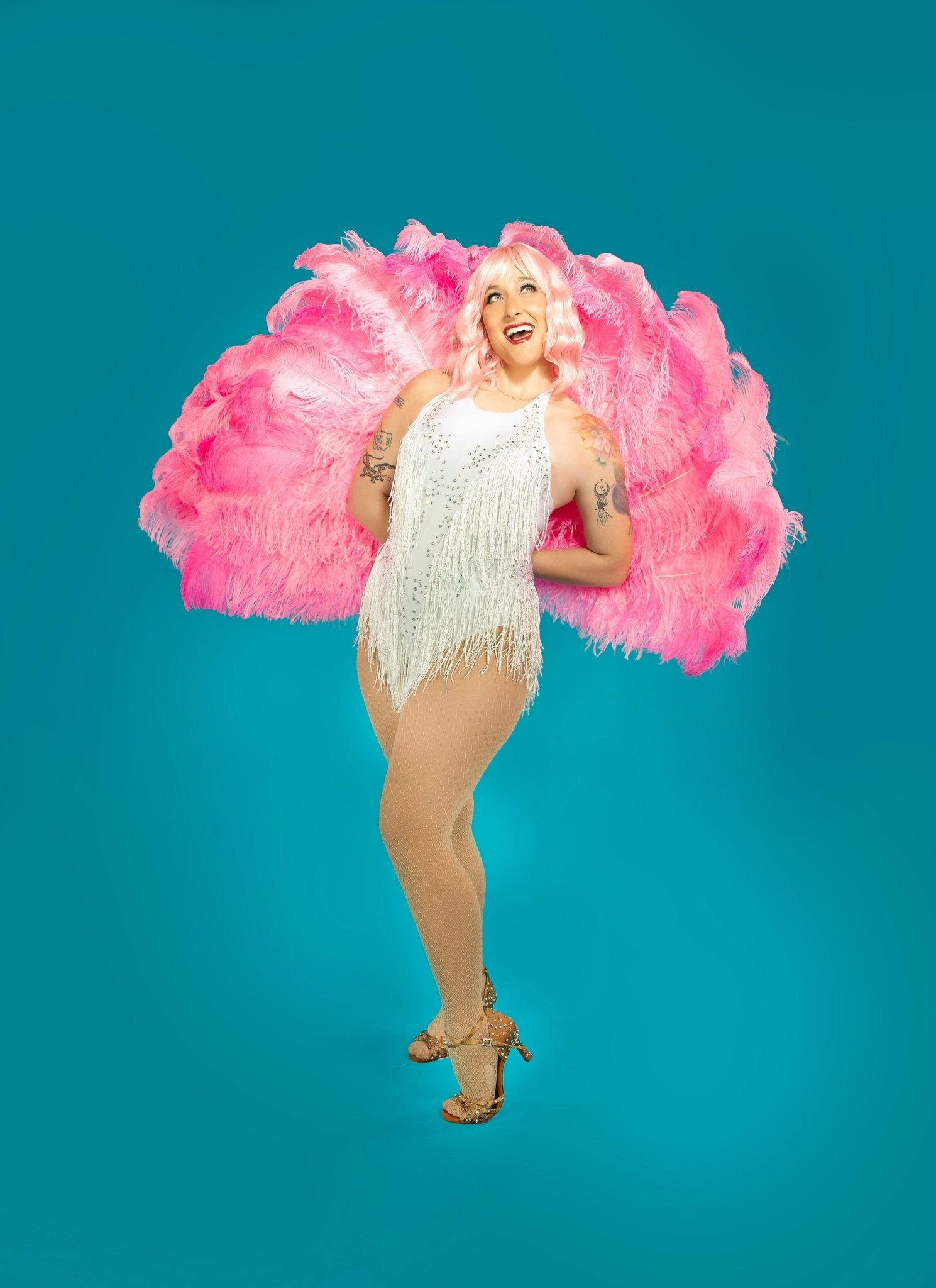
Accessories play a central role in this process, and few accessories are as visually powerful as feathers. From classic feather boas to dramatic fans and plumes, feathers bring movement, texture, emotion, and theatricality into a frame. When used intentionally, they move beyond decoration and become part of a creator’s identity. This is what defines a strong feather brand image.
This article explores how performers and influencers can use feather signature accessories to build a cohesive, recognisable, and memorable brand. We will look at the cultural history of feathers, the psychology behind their impact, practical styling and photography techniques, and how to integrate boas in branding across social platforms. The goal is not only to inspire, but to provide actionable strategies that help creators turn feather imagery into a long-term visual asset rather than a passing aesthetic choice.
The Allure of Feathers — A Branding Symbol Through Time
Feathers have carried symbolic weight across cultures for centuries. Historically, they have represented power, status, spirituality, and beauty. In performance and fashion contexts, feathers evolved into symbols of glamour, confidence, and spectacle. This historical depth gives feather accessories a built-in narrative advantage for modern branding.
In early theatre, cabaret, and stage performance, feathers were used to exaggerate movement and silhouette. A simple turn of the body could become dramatic when framed by plumes or a boa. This visual amplification made performers appear larger than life, helping them command attention even from a distance. That same principle applies today in digital spaces, where creators must stand out in crowded feeds.
Feather boas in particular became icons of performance culture. Their softness contrasts with bold colours, creating a dual message of elegance and confidence. Over time, they have been embraced by dancers, show performers, and drag artists because they communicate expression without words. When an accessory already carries such a strong cultural association, it becomes easier to anchor a personal brand around it.
For modern creators, this history offers credibility. Using feathers is not a trend invented by social media; it is a continuation of a visual language that audiences subconsciously understand. By leaning into this lineage, performers can create a feather brand image that feels intentional, timeless, and grounded in performance tradition rather than fleeting fashion.
Feather Brand Image — What It Means for Performers & Influencers
A feather brand image is not about wearing feathers occasionally. It is about using feather elements consistently enough that they become part of how an audience remembers you. In branding terms, this is similar to a logo or colour palette, but expressed through physical styling.
Visual branding research consistently shows that repeated visual cues improve recognition and recall. When a performer regularly incorporates feather boas, fans, or plumes into their content, those elements become mental shortcuts. Audiences begin to associate the movement, colour, and texture of feathers with a specific creator’s personality and style.
For influencers and performers, this matters because attention spans are short. A feather signature accessory can do the work of introduction before a caption is read or a performance is understood. Over time, the accessory becomes shorthand for the brand itself.
This approach also supports positioning. A creator who uses feathers deliberately can signal elegance, boldness, sensuality, playfulness, or theatrical drama, depending on how the accessory is styled. The feather brand image therefore becomes a strategic choice rather than a purely aesthetic one. When aligned with a creator’s niche and message, it strengthens authenticity and consistency across platforms.
Boas in Branding — A Case for Statement Accessories
Boas in branding work because they are statement pieces by nature. Their volume, softness, and movement demand attention, even in minimal styling contexts. Unlike subtle accessories that require close inspection, a feather boa communicates immediately.
One of the strongest advantages of boas is versatility. They can be draped, wrapped, swung, or used as framing devices in both performance and photography. This allows creators to develop a range of looks while maintaining a consistent visual theme. A single accessory can support dozens of creative executions without losing recognisability.
From a branding perspective, statement accessories reduce visual noise. Instead of constantly changing outfits or aesthetics, performers can anchor their look around a feather signature accessory and vary supporting elements. This creates cohesion without repetition.
Another advantage is emotional signalling. Boas evoke confidence and drama. They encourage exaggerated movement and expressive posing, which translates well on camera. For dancers and performers especially, this physical response enhances content quality naturally, without requiring complex sets or editing.
Used consistently, boas in branding become more than props. They become identifiers that audiences anticipate and associate with a creator’s presence, both online and on stage.
Psychology of Feather Accessories — How They Shape Perception
The psychological impact of feathers lies in their sensory richness. Feathers move, catch light, and respond to the body’s motion. This creates a dynamic visual experience that static clothing often cannot achieve. Human attention is naturally drawn to movement, making feather accessories powerful tools for capturing and holding focus.
Feathers are also associated with luxury and indulgence. Their softness and fullness signal abundance, which influences how audiences perceive value and status. Even when used playfully, feathers tend to elevate the perceived production quality of content.
Emotionally, feather accessories encourage expression. Performers often report feeling more confident and embodied when wearing statement pieces. This internal shift translates outward, improving posture, movement, and facial expression. Audiences respond to this confidence instinctively.
There is also an element of fantasy. Feathers blur the line between everyday identity and performance persona. For influencers who balance relatability with aspiration, this is particularly useful. A feather brand image allows creators to step into a heightened version of themselves while remaining recognisable.
Understanding this psychology helps creators use feathers intentionally rather than decoratively. When you know why feathers work, you can design content that maximises their impact.
Identifying Your Feather Signature Accessory
Choosing a feather signature accessory requires clarity about your brand personality. Not all feathers communicate the same message, and not every style suits every creator. The goal is to find an accessory that feels natural to your movement, content format, and audience.
Start by defining what you want your audience to feel when they see you. Is it elegance, boldness, sensuality, playfulness, or power? Different feather forms support different emotional cues. A flowing boa may suggest softness and glamour, while a structured fan can communicate control and drama.
Consistency matters more than quantity. It is better to commit to one recognisable feather element than to rotate through many without repetition. Over time, repetition builds recognition. The accessory should appear often enough that audiences associate it with you, but not so rigidly that creativity feels restricted.
A practical approach is to treat your feather accessory like a visual logo. Use it across shoots, performances, and videos, while allowing variations in colour, scale, or styling to prevent monotony.
Styling with Feathers — Crafting a Cohesive Visual Aesthetic
Styling feathers effectively requires balance. Because feather accessories are visually dominant, the rest of the outfit should support rather than compete. This does not mean minimalism is mandatory, but intentional coordination is essential.
Colour alignment is a foundational step. Feathers should complement your overall brand palette. If your brand colours are bold, matching or contrasting feathers can reinforce identity. If your palette is neutral, a single feather colour can become a signature accent.
Texture layering is another key consideration. Feathers pair well with smooth, reflective fabrics that allow their softness to stand out. Overly textured clothing can dilute the impact of the feathers and clutter the visual message.
Context also matters. Stage performances allow for larger, more dramatic feather pieces, while close-up content may benefit from refined styling. The same feather signature accessory can be adapted by adjusting scale and placement depending on the medium.
Actionable styling tips include:
-
Using feathers to frame the face or upper body in close-up content.
-
Allowing negative space around the accessory so its shape is clearly defined.
-
Repeating feather elements subtly in hair or makeup to reinforce cohesion.
When styling decisions are guided by brand intent rather than impulse, feathers become an integrated part of a cohesive visual system.
Photographing Feather Accessories — Visual Storytelling Techniques
Photography is where a feather brand image truly comes to life. Feathers interact with light in complex ways, creating highlights, shadows, and depth. Understanding how to capture this elevates content quality significantly.
Lighting should emphasise texture. Side lighting and soft backlighting help define individual feathers and enhance movement. Flat lighting tends to compress detail, reducing the visual impact of the accessory.
Motion is a powerful storytelling tool. Even in still photography, implied movement can be created through posing. Twists, turns, and sweeping gestures allow feathers to trail and curve, guiding the viewer’s eye through the frame.
Composition should give feathers room to breathe. Tight framing can work for detail shots, but wider compositions allow the accessory to define silhouette and presence. Alternating between these approaches adds variety while maintaining consistency.
From a practical standpoint, creators should test different angles and movements during shoots. Reviewing footage or images in real time helps identify which gestures best showcase the feather signature accessory, saving time and improving results.
Feather Elements Across Social Platforms — Tailoring Your Content
Each platform rewards different visual behaviours, and a strong feather brand image should adapt without losing consistency. The core accessory remains the same, but its presentation shifts.
On image-driven platforms, consistency across a grid reinforces brand identity. Repeated feather elements create visual rhythm and make a profile instantly recognisable. Variation can be introduced through pose, colour, or background while maintaining the core signature.
Short-form video platforms reward movement. Feathers naturally enhance transitions, spins, and gestures, making them ideal for dynamic content. Simple actions, like lifting or releasing a boa, can become signature moves associated with your brand.
Long-form video benefits from feathers as visual anchors. They help maintain visual interest and reinforce identity across episodes or series. Even when content themes change, the feather accessory provides continuity.
Captions and on-screen text should reinforce visual branding by referencing the feather signature accessory subtly. This strengthens the association between the visual element and the creator’s identity.
Case Studies — Performers & Influencers Who Nailed Accessory Branding
Across performance disciplines, creators who succeed with accessory branding share common traits. They commit early, repeat consistently, and evolve intentionally. Their feather brand image grows with them rather than being abandoned as trends change.
In performance-based niches, feathers are often integrated into choreography rather than treated as props. This integration makes the accessory feel essential rather than optional. Audiences sense this authenticity and respond positively.
In influencer spaces, creators who use feather signature accessories often build communities around aesthetic identity. Followers anticipate new looks and performances, creating engagement loops that support growth.
The key lesson from these examples is that success does not come from copying specific looks, but from applying consistent principles. Feathers become powerful when they are part of a larger visual strategy, not isolated moments.
Turning Feather Brand Image into Growth — Strategy & Monetisation
A well-defined feather brand image supports growth beyond aesthetics. Recognition leads to loyalty, and loyalty creates opportunities. When audiences associate a creator strongly with a visual identity, they are more likely to engage, share, and support.
From a strategic standpoint, consistent feather imagery strengthens positioning. It makes collaborations more natural because partners understand the creator’s visual language. It also supports product extensions and creative projects by providing a clear aesthetic anchor.
Creators should track engagement metrics when feather elements are present versus absent. This data helps refine strategy and confirms what resonates with audiences. Over time, insights can guide content planning and creative direction.
Monetisation is most effective when visual branding feels organic. When feathers are already central to a creator’s identity, expanding into related creative avenues feels authentic rather than forced.
Conclusion
Feather accessory branding is not about excess or spectacle for its own sake. It is about intention, consistency, and storytelling. When performers and influencers use feather boas and fans as signature elements, they create a visual language that audiences recognise instantly.
A strong feather brand image draws from history, psychology, and practical execution. It enhances confidence, amplifies movement, and supports recognisability across platforms. More importantly, it provides creators with a tool to express identity in a crowded digital landscape.
By choosing a feather signature accessory thoughtfully, styling it cohesively, photographing it strategically, and integrating it consistently, creators can build a visual brand that is both memorable and sustainable. In doing so, feathers move from decoration to definition, becoming a powerful asset in the modern performer’s branding toolkit.

Share:
Feather Accessory Repair and Restoration: Step-by-Step Fixes
Feather Sustainability Deep Dive: Eco Certification, Upcycling, Recycling Feathers